About Dr. Franklin M. Rivers Jr., MD PA
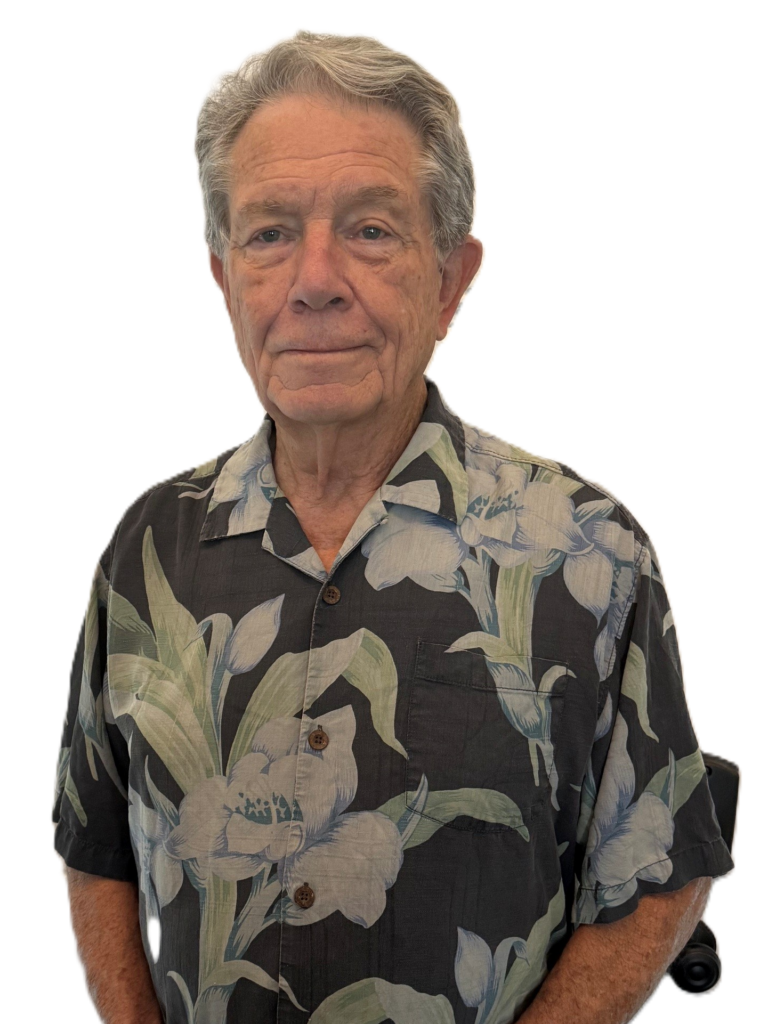
Experience, Judgment, and a Lifetime in Medicine
Franklin M. Rivers Jr., MD has spent more than five decades caring for patients in settings ranging from major American hospitals to remote island communities. His work has included Emergency Medicine, Family Practice, medical teaching, hospital leadership, and sustained volunteer medical service.
Across those very different settings, one principle has remained constant: Practicing Medicine should begin with listening carefully to the person seeking help.
Medical knowledge is essential, but knowledge alone is not enough. Sound medical care also requires observation, humility, judgment, and an appreciation that every patient brings a distinctive history, circumstances, and understanding of illness.
A patient should be understood as an individual—not processed as an application or treated as a diagnosis alone.
The Beginning of a Medical Career
Dr. Rivers graduated from The University of Texas at Austin in 1968 and from The University of Texas Medical School at Galveston in 1972..
His early medical training took him to Gorgas Memorial Hospital, the US military hospital in the Panama Canal Zone 1972-73.
At that time, Gorgas was a leading Western Hemisphere center for Tropical Medicine. Dr. Rivers cared for soldiers who had become gravely ill or had been so severely wounded in Vietnam that they required transfer to the highest level of care then available in the region.
It was also in Panama that some of the experiences that would shape his philosophy of Medicine for the rest of his career began.
Lessons From the Cuna People
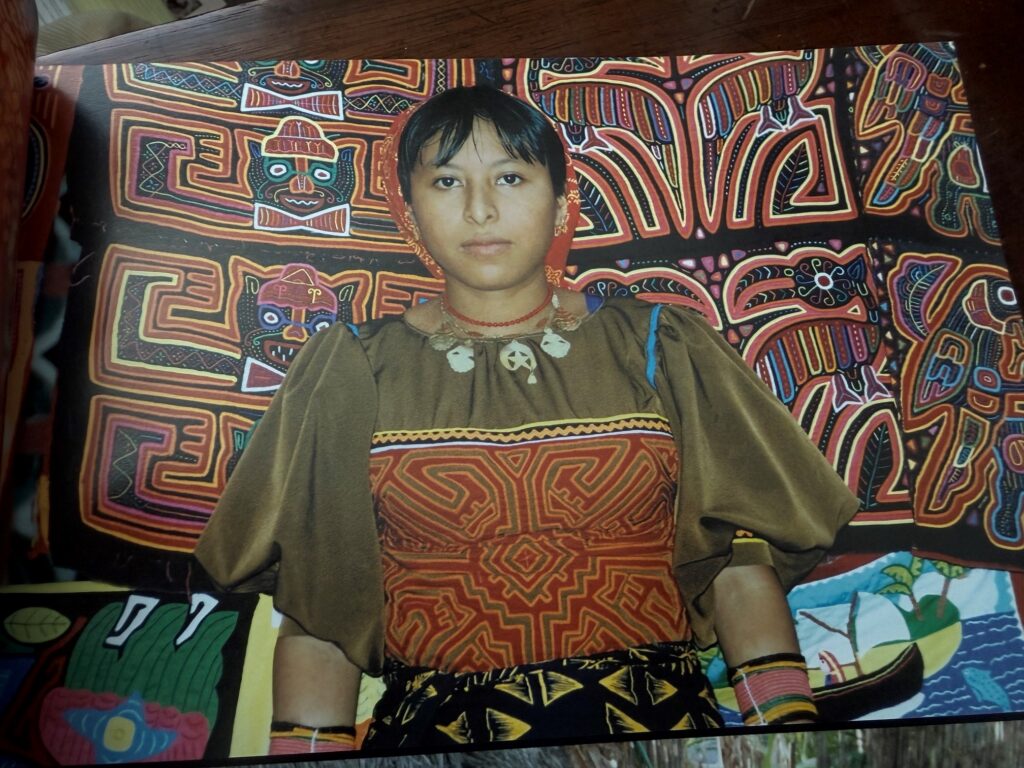
During his time in Panama, Dr. Rivers also cared for the Cuna Indians of the San Blas Islands. Their communities, traditions, and relationship with health and illness made him realize that there was much more to be learned about practicing Medicine than all he had been taught in medical school.
One experience remained especially influential:

A respected Cuna leader who, as a young man, had traveled in Europe for several years, learned several languages then returned to San Blas to lead his people. He came to Gorgas Hospital where Dr. Rivers was assigned to his case The man’s only reason for coming to Gorgas was : “It’s time for me to die.” Extensive medical evaluation did not identify a physical explanation for his certainty. He nevertheless died that same night to Dr. Rivers’ shock and amazement. Dr. Rivers determined then that he had to learn more about the Cuna people of the San Blas Islands in Panama.
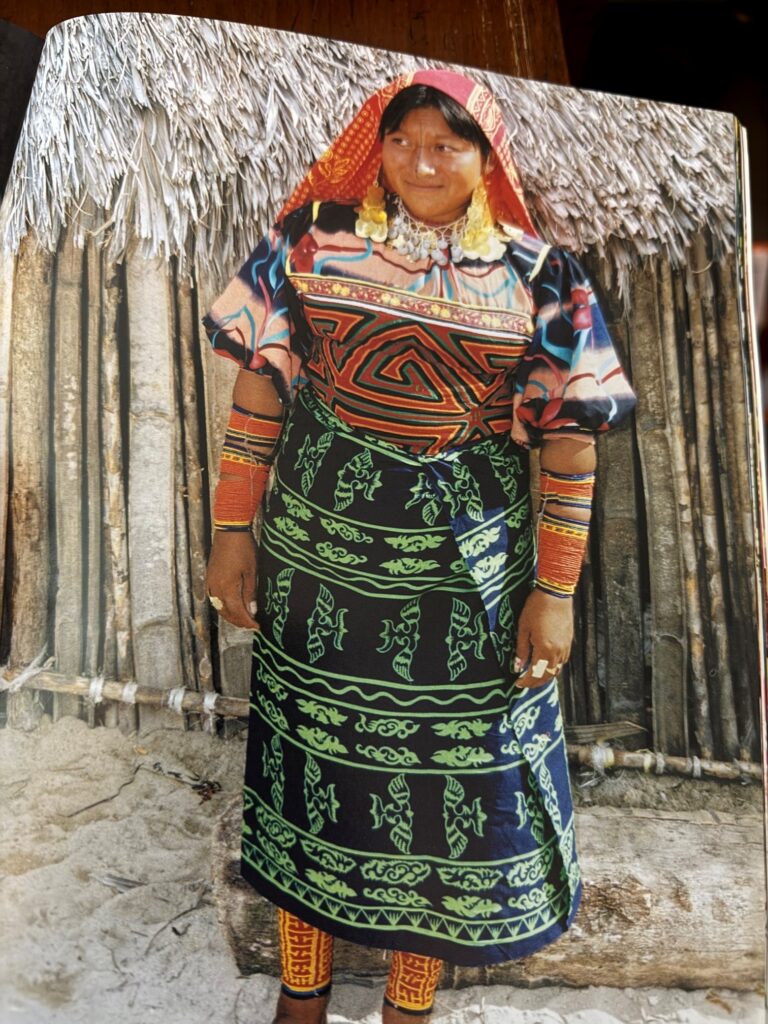

That experience taught Dr. Rivers a lasting lesson in humility. It demonstrated that Medicine does not possess every answer and reinforced his respect for the extraordinarily complex relationship of mind, body, culture, expectations, illness, and healing, and it led him to travel to the remote islands of San Blas, Panama to help provide medical care where modern medical resources were simply nonexistent.

A Career in Emergency Medicine and Family Practice
When Dr. Rivers returned to Texas in 1973, Emergency Medicine was still a new and developing field. At that time, only about a dozen Emergency Medicine residency programs existed in the entire United States, most of them less than a year old, and none accepting applicants.
Dr. Rivers therefore followed the practice pathway then available to physicians already working in the emerging specialty. After years of Emergency Medicine practice and extensive continuing medical education, he qualified for the certification examination of the American Board of Emergency Medicine.
He became Board Certified in Emergency Medicine in 1988 and has subsequently completed multiple recertifications.
Emergency Medicine has allowed him to practice the breadth of Medicine that had attracted him from the beginning. His career required him to evaluate and treat patients of virtually every age and with an enormous range of illnesses, injuries, and medical emergencies.
His Emergency Medicine career was complemented by extensive experience in Family Practice. From 1994 through 2008, he maintained a private practice in Jackson Hole, Wyoming, while continuing his work in Emergency Medicine.
Leadership, Teaching, and Responsibility
Over the course of his career, Dr. Rivers assumed substantial medical leadership and teaching responsibilities.
His work included medical directorships and medical-staff leadership positions as well as teaching Emergency Medicine in association with four medical schools in Texas.
He served in leadership roles in hospital systems in Texas and Wyoming and taught generations of physicians and medical students while continuing active clinical practice. Throughout those years, however, his primary professional identity remained that of a practicing physician caring directly for patients.
Returning to Island Medicine
In 1979, Dr. Rivers attempted to return to the kind of remote medical service he had experienced in Panama.
He set sail from Corpus Christi with two crewmates and a boat loaded with donated medical equipment, intending eventually to provide medical care in Caribbean and South Pacific island communities. But fate had a different plan for him.
After surviving severe weather, striking an unmarked wellhead causing serious damage to the boat, the crew eventually reached the reef at San Pedro, Ambergris Caye, Belize. The vessel struck the reef and was lost, but the crew and much of the medical equipment survived.
Days later, as Dr. Rivers attempted to leave the island by small airplane, the aircraft’s engines failed during takeoff. The plane skidded to a stop only feet from the wall of the local elementary school. Shaken by these experiences, he realized he wanted to stay on Ambergris Caye and work with the people of San Pedro. And that decision led to an enduring commitment to work with the people of the island.
The San Pedro Lions Club Clinic
The rescued medical equipment was moved ashore with the assistance of the people of San Pedro and became the foundation of the San Pedro Lions Club Clinic.
During the next 15 years, Dr. Rivers returned to the the clinic for 10 days every month while continuing his medical career in the United States, often bringing donated medicines, supplies, and equipment with him and sometimes bringing patients back to his hospital in Texas for life-saving surgery at no cost to the patient. What began unexpectedly grew into an enduring medical-service effort.
Over time, more than 400 American physicians have also volunteered to provide care at his clinic.